Board Member Spotlight: Jim Memmott
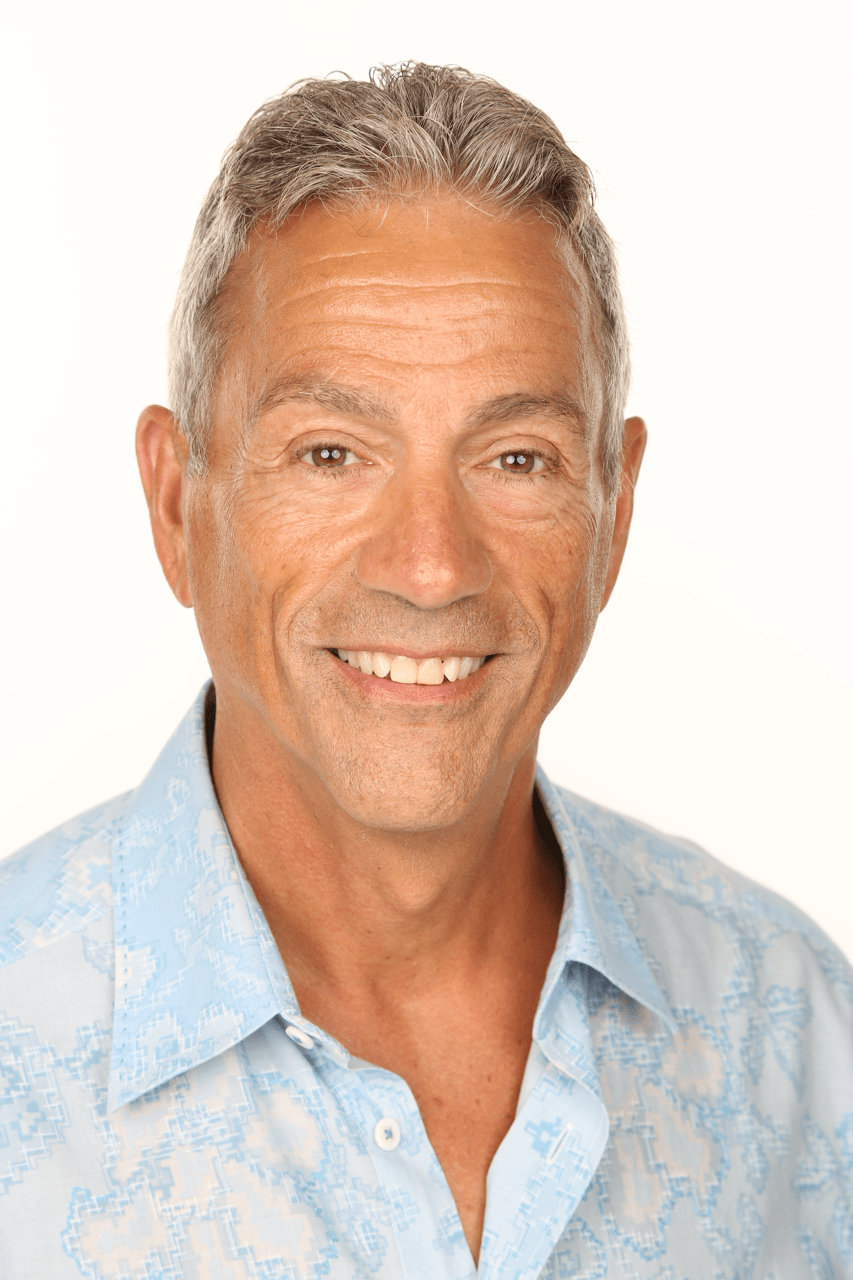
Richard is a board member of UNAR with extensive international experience, having visited 83 countries. He is passionate about global understanding and education, particularly in developing future diplomats and global citizens. Richard has been involved with UNAR for over 20 years and previously served as the organization’s president. He believes strongly in local community engagement and sees UNAR as a platform for helping students understand global events and explore diverse career paths.
Richard emphasizes the importance of cultural exchange, international cooperation, and preparing younger generations to address global challenges. He has a deep interest in transforming nationalist perspectives and promoting a more unified global approach to problem-solving.
As part of our ongoing Board Member Spotlight Series, Richard chatted with our Social Media Intern Roisin this summer about his commitment to UNAR and the mission. Here is their conversation!
What does UNAR mean to you? And then, in what your, in your opinion, what is the main goal of the organization?
The main goal of the organization is to further the understanding of world events, to the students that we reach out to, and developing future diplomats for not only our country, but for the world. It’s really, I always see us as an educational organization. We have these educational programs that I think are very important, through our internship programs, also getting kids, young people, out into the community, working with, especially right now, with the issues of the deportation issue. What are we doing about that? And coming up with ideas and resolutions, because these are our future leaders. That’s how I see it. So I think we’re like a platform or a conduit that can help students decide what areas they want to go into. Some may not want to be in diplomacy and go into the diplomacy kind of business, but more into business, into, you know, into the computer work, into other businesses, Medicaid, and what am I thinking of the world of healthcare, the world of in other countries. So I think that we are just not only focused on diplomacy, people going into the diplomatic field but having an understanding of the world and the professions that they choose. I think we’re here to help.
Why did you choose to join the UNAR as a board member?
I’ve been to 83 countries myself over the years, I have very familiar with the history of the UN and it has changed over the years. I understand now today, we are not seen as we were back in the 1950s and 1960s when people really supported this organization, when the Iron Curtain was around. There seemed to be a need, but it seemed like after 1989 it all changed, and I think corporations lost interest in it. I think also that it has lost the respect of many corporations, because they don’t see the UN having power or the ability to make decisions. I disagree with that. I think it’s more complex world that we’re living in, and I think all the more need why we need to support the United Nations Association.
Who do you think were some key individuals that helped bring the organization to life and participated in early development?
I think the city of Rochester, in their program with, you know, our sister city in Germany, at one time, we were very active with that, participated in that. So they were one of the foundations, I think one of the one of the highlights for me, has been John Fisher College, St John Fisher, they are really supporting our programs. I mean, they offer up the school for two days, they don’t charge us for the rooms, and they are very supportive and believe in our mission. So it’s good to have a university that is out there that is interested in what we are doing. The other piece is it does bring students to their college with the idea that they may attend, and that has happened over the years. So we’ve been with John Fisher now, I think over 20 years.
And you said you visited 83 countries. Do you have a specific favorite?
I think that each country iis very unique in its own way. And to say, what is our favorite? I can think of highlights of every country I’ve been to, and they’re all very different in their own way. I must say, I think the Italians, because of its rich history in the Western world, that is, and they know their food. Let me tell you, they do know their food, but I can take them out going to Poland. Poland has, if you want to talk about food, make sure you have Polish duck, because of the way they grow. I didn’t know this. And nobody knows this. No, they, they feed their ducks on these planes of natural grass, they are crowded in. And when they make their duck a certain way in the oven, it is. It’s nothing like I’ve experienced in New York, or any famous restaurant in our country, or any other country. You know, another thing about Poland that was very important was Auschwitz. You know, who’s got an Auschwitz with that, that history is very important. You can go to Lithuania, any of the Baltic states, you know, on the Baltic Sea, and it’s when, that’s where Disney got his ideas of castles and, you know, creating Disney world came from that part of the world. So there’s a lot of countries that have different attractions and favorites that other countries don’t have.
When it comes to the Sister Cities Program, would you say that the Sister Cities program has had a stronger relationship with the United Nations, associated in the association in the past, or like, how has that evolved over time?
I think in the past, it was much stronger. Everything with, you know, you had Eastman Kodak, 65,000 employees, and people were contributing $100 a year, you know, and I can remember when the budget for UNAR here was four times what we have today in our budget. In corporations, at a corporate level, people were basically told, support it, you know, that’s how much it was believed in, and it was encouraged by companies for their corporate executive to donate as much as they can. And they did, and it was part of that era of the iron curtain that it was seen as a very important part of, you know, I mean, I have right here. I’ll show you. See, I keep it on my desk. You know that’s what I find to be my dream is that we do away with all countries. America is not America, but we have one Federation under one flag, without losing the cultures of those countries. But getting away from nationalism, I think nationalism creates a lot of problems, and I think we’re moving in that direction. We won’t see it, you won’t see it. Maybe your grandchildren will see it. But it’s, it’s something, I think, if we live in a world in technology, how it’s affected UNAR and the UN is amazing. I’m very thankful for technology in my lifetime, because you and I are communicating, you know, I study Vedic studies, and I talk to people in India, and I don’t have to go there. I can do it right here in my living room or in my office. So there’s a lot of positive things I see out there that are transforming our world. Even though the media is focused on the negative. I think there’s a lot of positive things going on there, such as St John Fisher supporting us all these other organizations wanting our interns. We have interns that are interested. We have 600 students interested in Model UN you know? So there is, there is that element that I don’t think we look at, and it’s important that we do so we aren’t pulled down into this rabbit hole of negativity.
Is there anything that you would like to share with folks wanting to learn about you and UNAR?
I believe that the accomplishments are more powerful, more prominent by working in your community, keeping it local. I think that’s very important, because your organization is built on people who live here. And if we can keep it, I know there’s all these world problems going on, but within our own community, as part of the global community, if we can focus on the issues that are here, which I think we’re doing, you know, we have a lot of refugee we’re a sanctuary city, which is a dirty word right now to some, To some people or to many, and I think it’s very important that we don’t get caught up in what’s going on that we can’t change. But what we can change is within our communities, whether you live in New York or Brooklyn, Monroe, county, Buffalo, Syracuse, it needs to be more focused on those areas, of course, being open to the world around you to get new ideas. But the changes that we can make here locally, I think, are more of a reward to the people who are working here and they can see change with their own community.
If you, or someone you know, is interested in joining the UNAR Board or our Internship Program to create positive change in our community, please contact us for more information.